
GIB stopping cost in Auckland
The typical GIB stopping cost in Auckland is $25 to $70 per square metre for labour, depending on the level of finish. Here are typical ranges for a room and a whole house, what pushes a price up, and how to compare quotes.
5.018 Google reviewsWhat GIB stopping costs in Auckland
The GIB stopping costs on this page are typical Auckland ranges for the taping, coating and sanding that turns new plasterboard into a surface ready for paint. They are a guide for budgeting, not IDW's price list. Every job is different, so we price each one in writing after we have seen it.
Stopping is usually priced per square metre of board, per room, or as one price for the whole job. Per square metre, labour typically runs $25 to $70. Where a job lands in that range depends mostly on the level of finish, the height of the ceilings and the state of the board.
Rates in other parts of New Zealand differ. These are Auckland figures, and Auckland is where we work.
Typical prices by job
The ranges assume new or sound board unless the row says otherwise. Check whether any figure you are given includes GST, which adds 15%.
| Job | Typical Auckland range | Notes |
|---|---|---|
| Labour per square metre | $25 to $70 per m² | Lower for a Level 4 finish on plain walls, higher for Level 5, ceilings and detailed rooms |
| Standard bedroom, Level 4 | $1,000 to $1,800 | All up, materials included |
| Whole three-bedroom house | $8,000 to $16,000 | Bigger homes, vaulted ceilings or Level 5 throughout can go above this |
| Kitchen or bathroom | Top of the $25 to $70 per m² range | More cut-outs and edges around cabinetry, tiles and fittings, even at Level 4 |
| Small crack repairs, one room | $200 to $600 | Usually a fixed price per room, set by how much cracking there is and how easy it is to reach |
| Original fibrous plaster ceilings in older villas | $60 to $120 per m² | Repairing old plaster is slower work than stopping new board |
| Ceilings above 2.4 m | Add 15% to 25% | On the high ceilings only, for scaffolding or a platform and slower work at height |
What changes the price
Two jobs with the same floor area can be priced a long way apart. These are the things that move a GIB stopping quote.
- Level of finish. A Level 4 finish, where the joints are built up over three coats and sanded smooth, suits most rooms. Level 5 adds a thin skim over the whole surface for rooms with strong side light, dark colours or gloss paint. That is an extra coat across every square metre, so it costs more.
- Ceiling height. Standard stud height is 2.4 m. Above that, as in many villas, two-storey homes and stairwells, the work needs scaffolding or a platform and goes slower. Budget roughly 15% to 25% more for that part of the job.
- Access and shape. Stairwells, bulkheads, raked ceilings and rooms with lots of corners and windows take longer than a plain, empty room. So does working around furniture in a lived-in house.
- Condition of the board. If the GIB was hung out of line, with joints in the wrong places or screws driven through the paper, that has to be put right before stopping starts. Stopping cannot make a badly fixed wall flat.
- Repairs. Cracks, holes and patches after electrical or plumbing work take longer per square metre than new board. Water damage waits until the leak is fixed: a small soft patch can be cut out and re-stopped, while a badly damaged sheet is replaced.
- Older villas and bungalows. Many have high studs and their original plaster ceilings, sometimes with GIB added in later rooms. Old plaster that is cracked or sagging has to be repaired or replaced first, and that is priced separately from the stopping.
- Size of the job. Set-up, protection and travel are spread over more board on a bigger job, so the rate per square metre usually drops as the area grows.
How to compare GIB stopping quotes
A low price usually means fewer coats, less drying time or less sanding, and that shows up later as joint lines and cracks under the paint. Before you compare totals, check that each quote tells you:
- Which level of finish it is priced at
- How many coats go on the joints, and whether ceilings are included
- Whether sanding, sealing and clean-up are included
- Whether repairs and patching are in the price or extra
- Whether materials and GST are included
- Who fixes it if the joints show once the paint is on
What an IDW quote includes
IDW is one crew that lines, stops, plasters and paints, so a single written quote can cover a wall from bare board to final coat. If a joint shows through the paint, there is no other trade to blame. It is ours to fix, under one 5-year workmanship guarantee.
Hadi Haidary, who owns IDW, quotes and oversees every job himself. The free quote includes a wall health check, valued at $397: we look over the board, the ceilings and any damage, tell you what actually needs doing and which level of finish suits each room, then put the price in writing. The price we quote is the price you pay.
We stop to Level 4 in most homes and recommend a Level 5 skim where critical lighting, a dark colour or a gloss paint calls for it. Every wall and ceiling is checked under a raking light before it is painted.
IDW is rated 5.0 on Google. John Hill, Google review: “As a building company we have been using the services of Interior Dry Wall for four years, they are able to work to a schedule and always finish on time, their pricing is always sharp, and they never leave a mess. I can recommend Hadi and his team with confidence.”
We work across Auckland City, East Auckland, South Auckland, West Auckland and the North Shore. Call 027 521 7411 or 0800 33 1371, Monday to Saturday 8am to 6.30pm and Sunday 8am to 2pm.
Updated October 2026
Our work
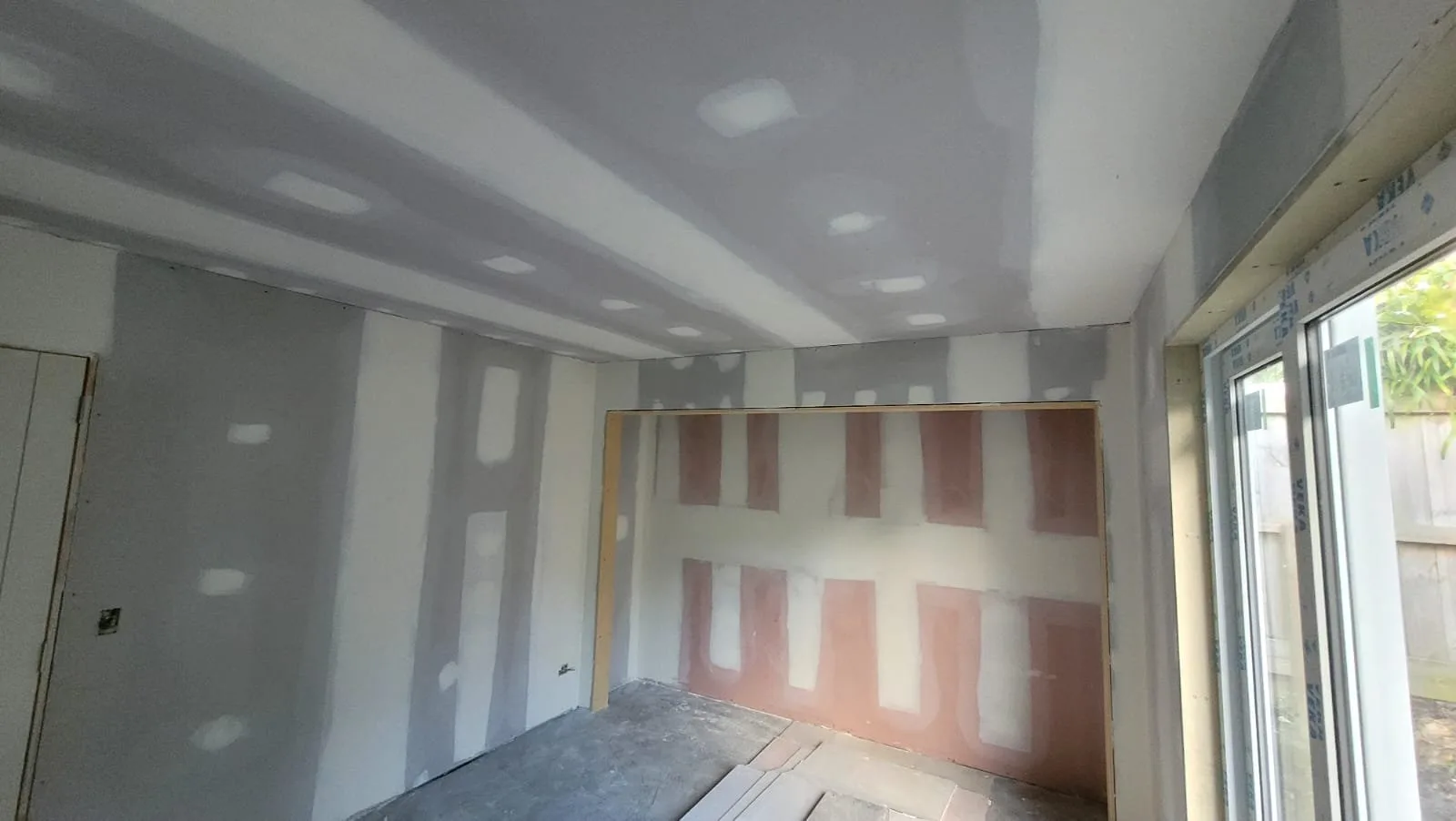
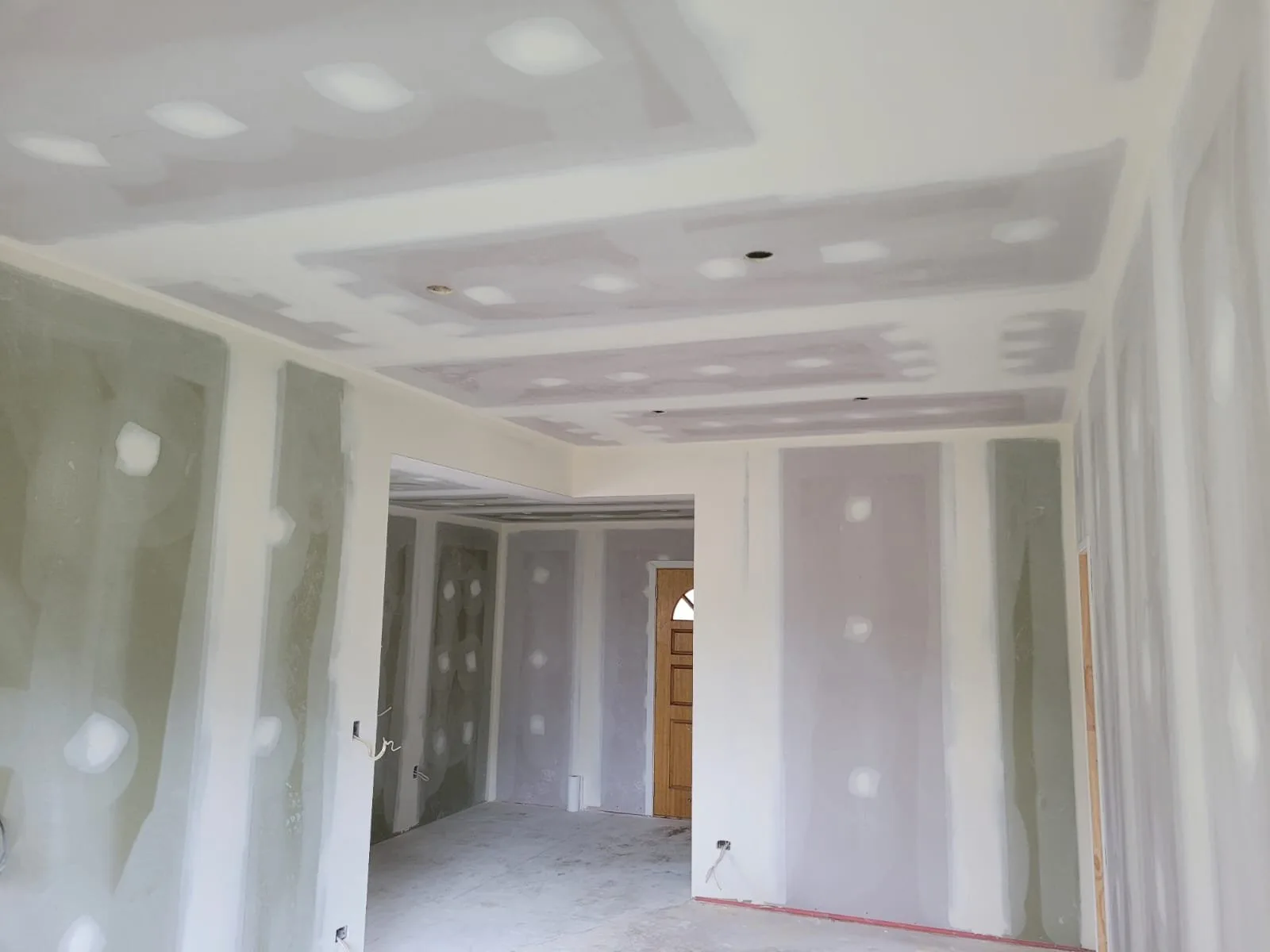
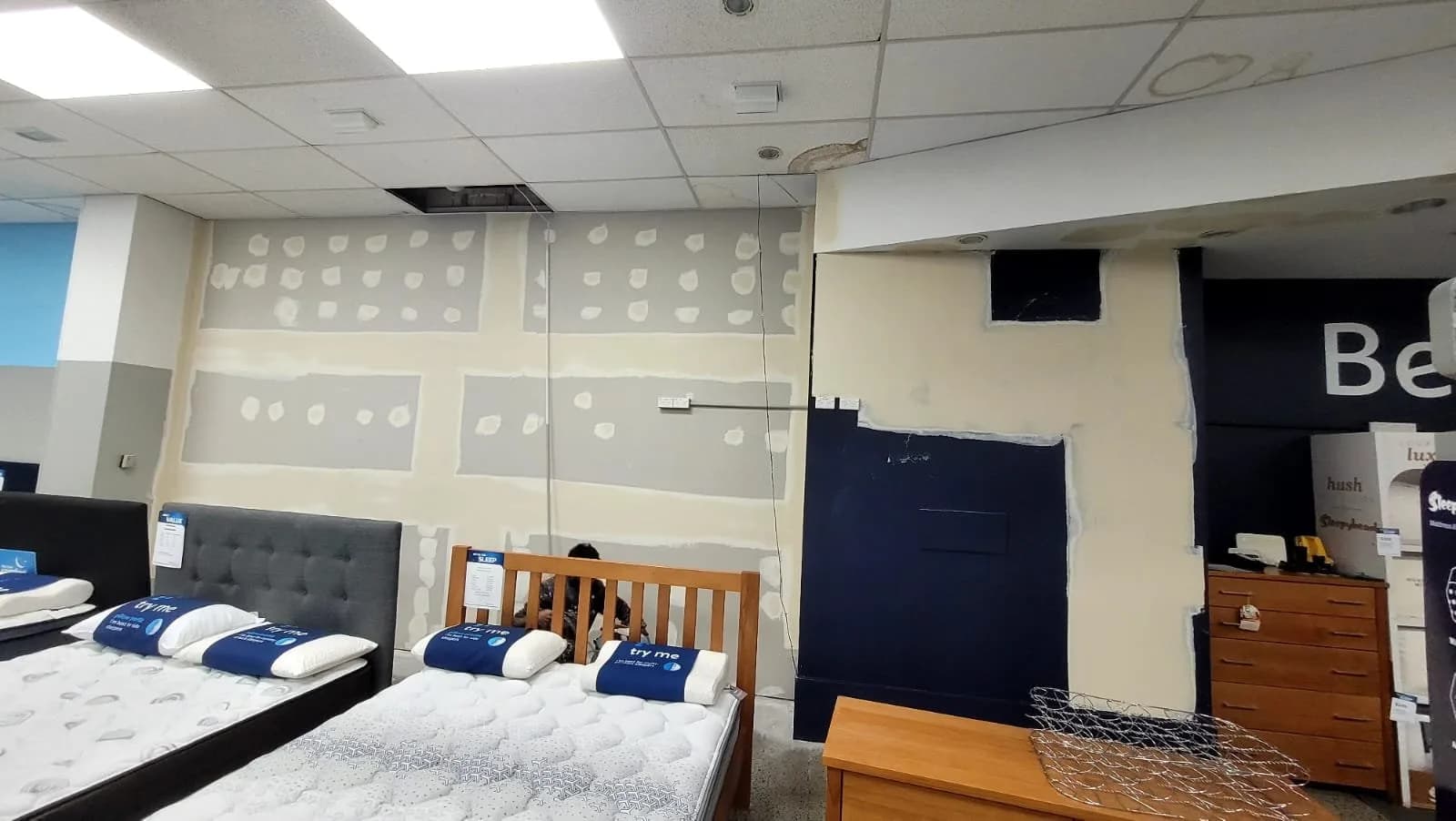
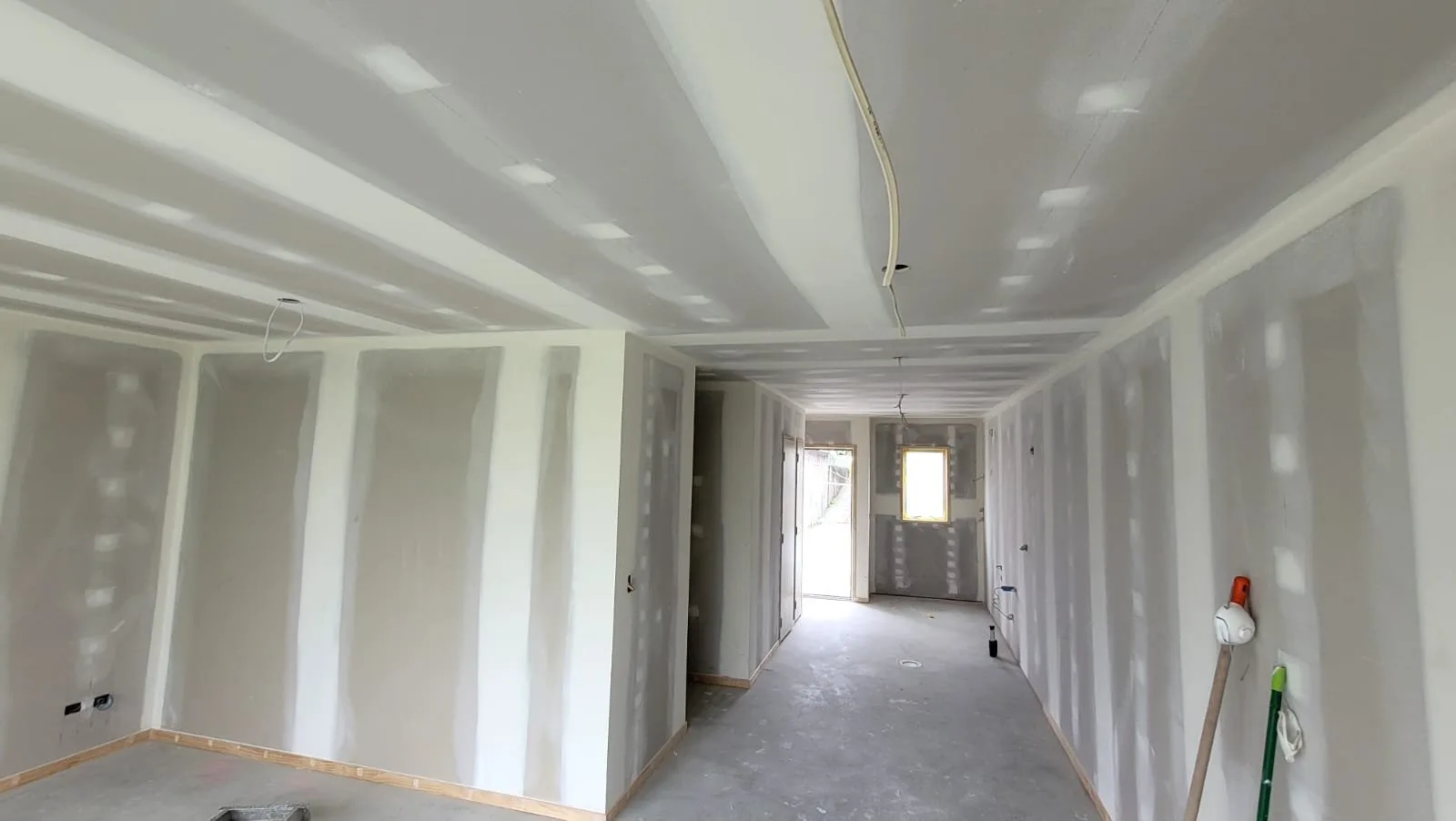
Questions people ask
How much does GIB stopping cost per square metre in Auckland?
Typically $25 to $70 per square metre for labour. Plain walls at a Level 4 finish sit toward the lower end; Level 5 skims, high ceilings and detailed rooms sit toward the top. IDW prices each job in writing after seeing it.
How much does it cost to GIB stop a whole house?
A three-bedroom Auckland house typically costs $8,000 to $16,000. Bigger homes, high or vaulted ceilings and Level 5 throughout can go above that. A single bedroom at Level 4 is typically $1,000 to $1,800 with materials.
Is a Level 5 finish worth the extra cost?
Where light hits the wall at a low angle from big windows, skylights or rows of downlights, or where the paint is dark or glossy, usually yes, because a Level 4 joint can show through. In most bedrooms and living rooms with flat paint, Level 4 is enough.
Do high ceilings cost more to stop?
Yes. Above the standard 2.4 m stud height the work needs scaffolding or a platform, and it goes slower. Typical Auckland quotes add 15% to 25% for that part of the job.
How long does GIB stopping take?
Each coat has to dry before the next goes on. In humid Auckland winter weather that means 24 to 36 hours between coats, so a three-coat Level 4 finish takes about four to seven days including sanding.
Is GIB fixing included in the stopping price?
Not usually. Fixing, also called lining, is hanging the sheets; stopping is finishing the joints afterwards, and the two are priced separately. IDW does both, so one quote can cover the lining, the stopping and the paint.
Related services
GIB lining
Plasterboard fixed straight and screwed to depth, so the stopping and paint that follow have a flat surface to sit on.
GIB stopping
Joints taped, coated and sanded to the level of finish your paint and lighting need.
Plastering
Interior skim coats and plaster repairs that leave old and new surfaces reading as one wall.
Interior painting
Walls, ceilings, doors and trim, prepared properly and painted with a tidy site at the end of each day.
Get a free quote
Tell us about the job and we will call you back to arrange a time to come and see it. Every quote starts with a free wall health check, valued at $397: we look over the job, tell you what actually needs doing, and put the price in writing. The price we quote is the price you pay.