
GIB lining in Auckland
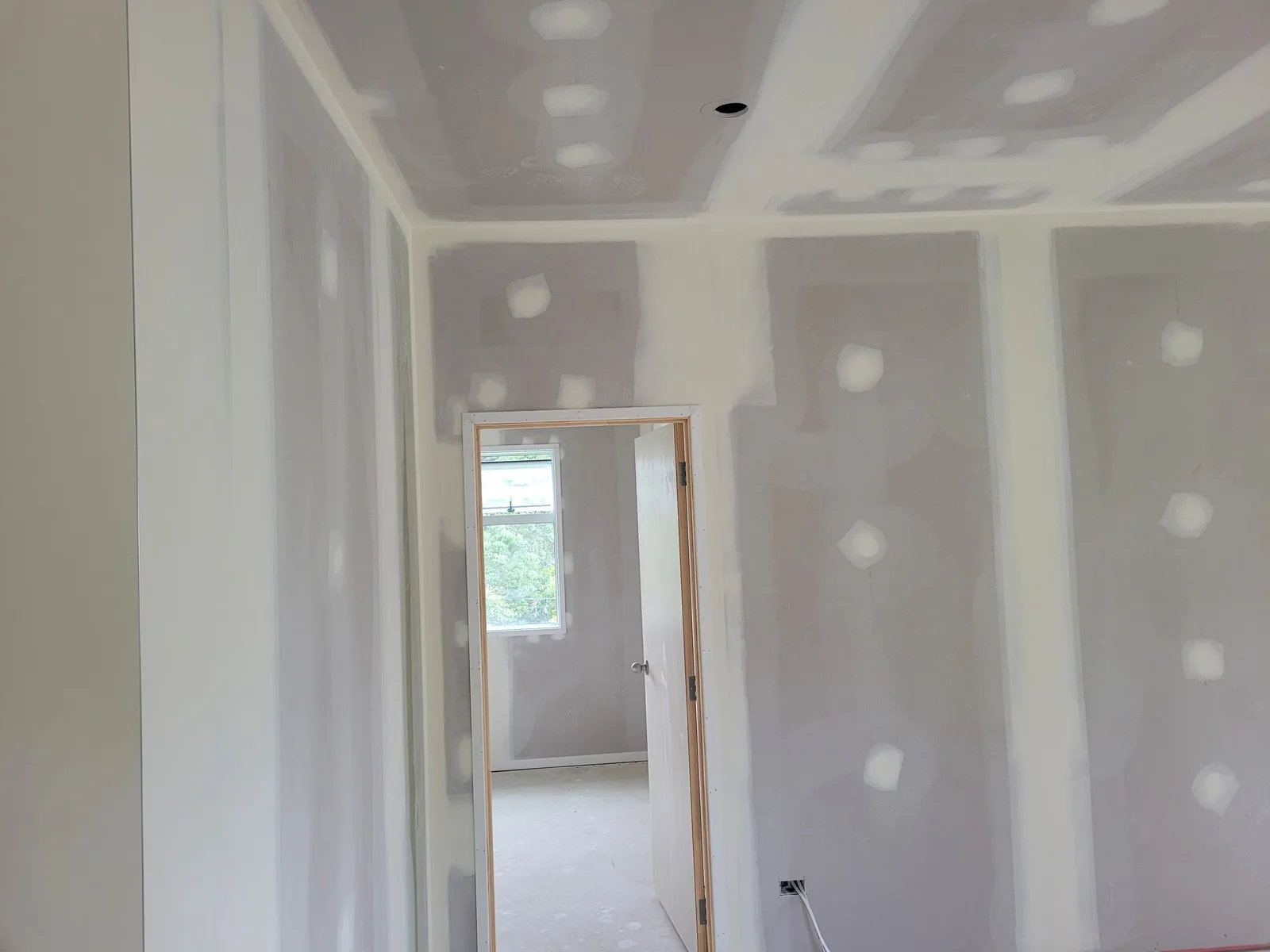
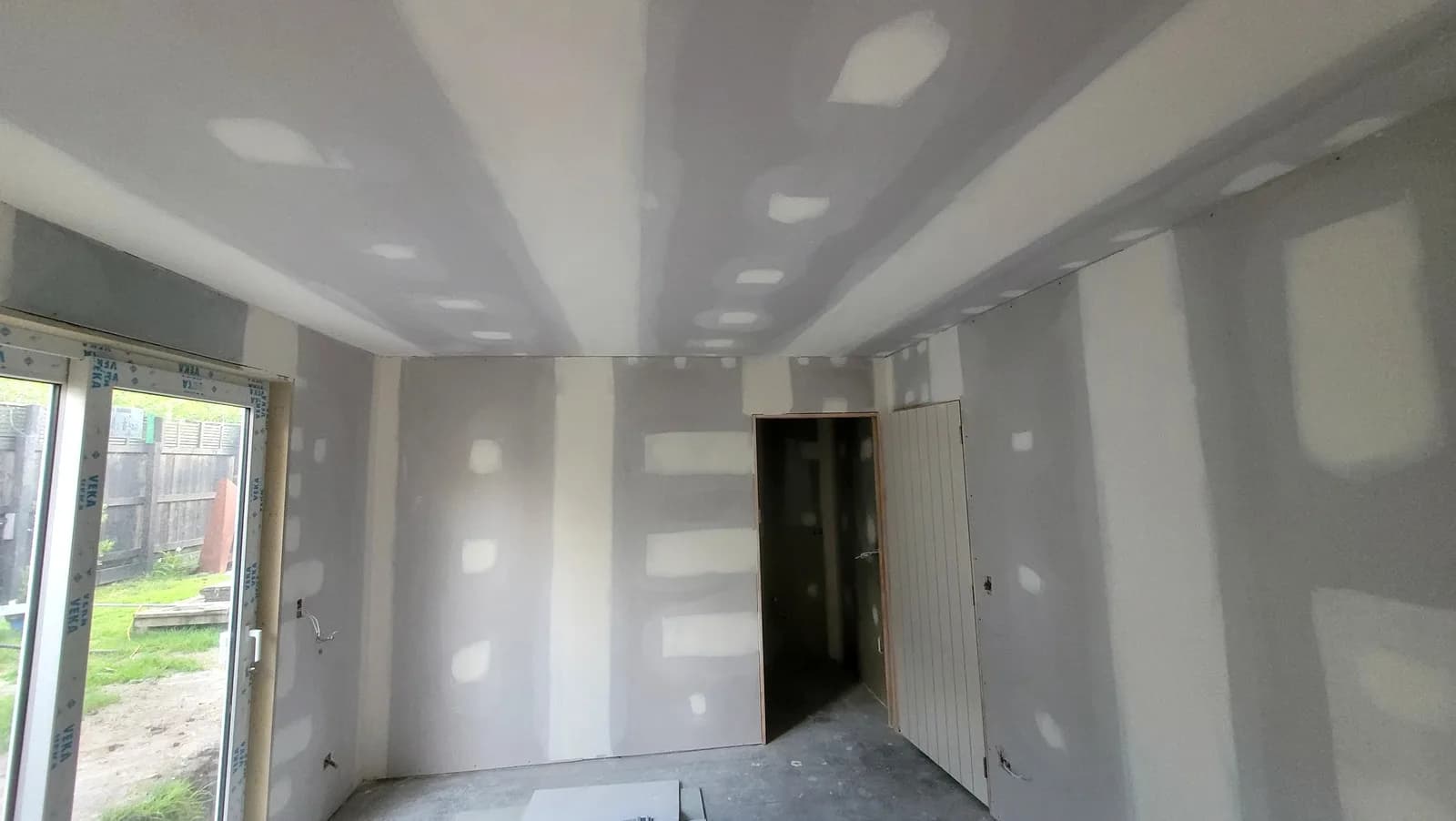
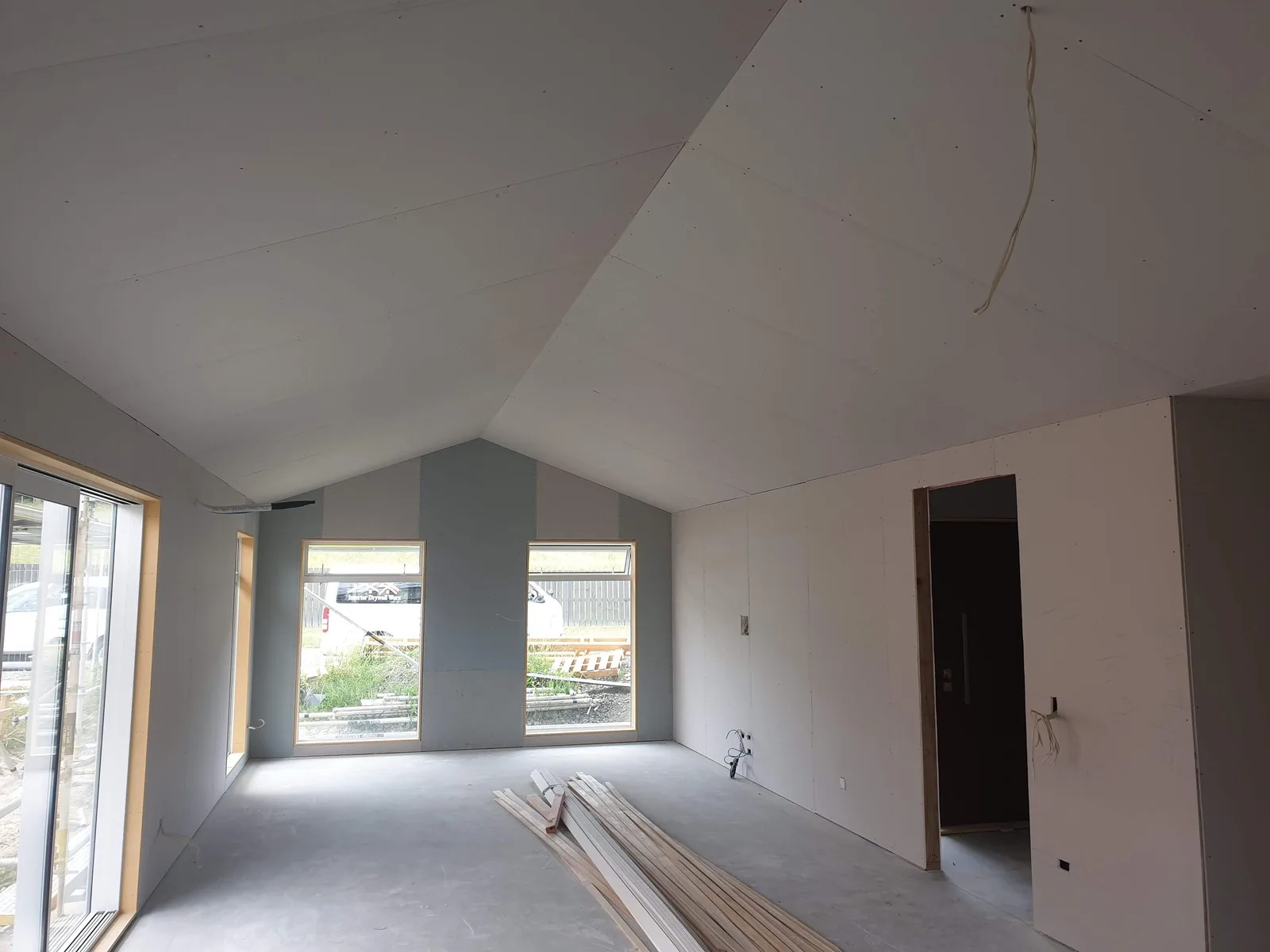
Plasterboard fixed straight and screwed to depth, so the stopping and paint that follow have a flat surface to sit on.
5.028 Google reviews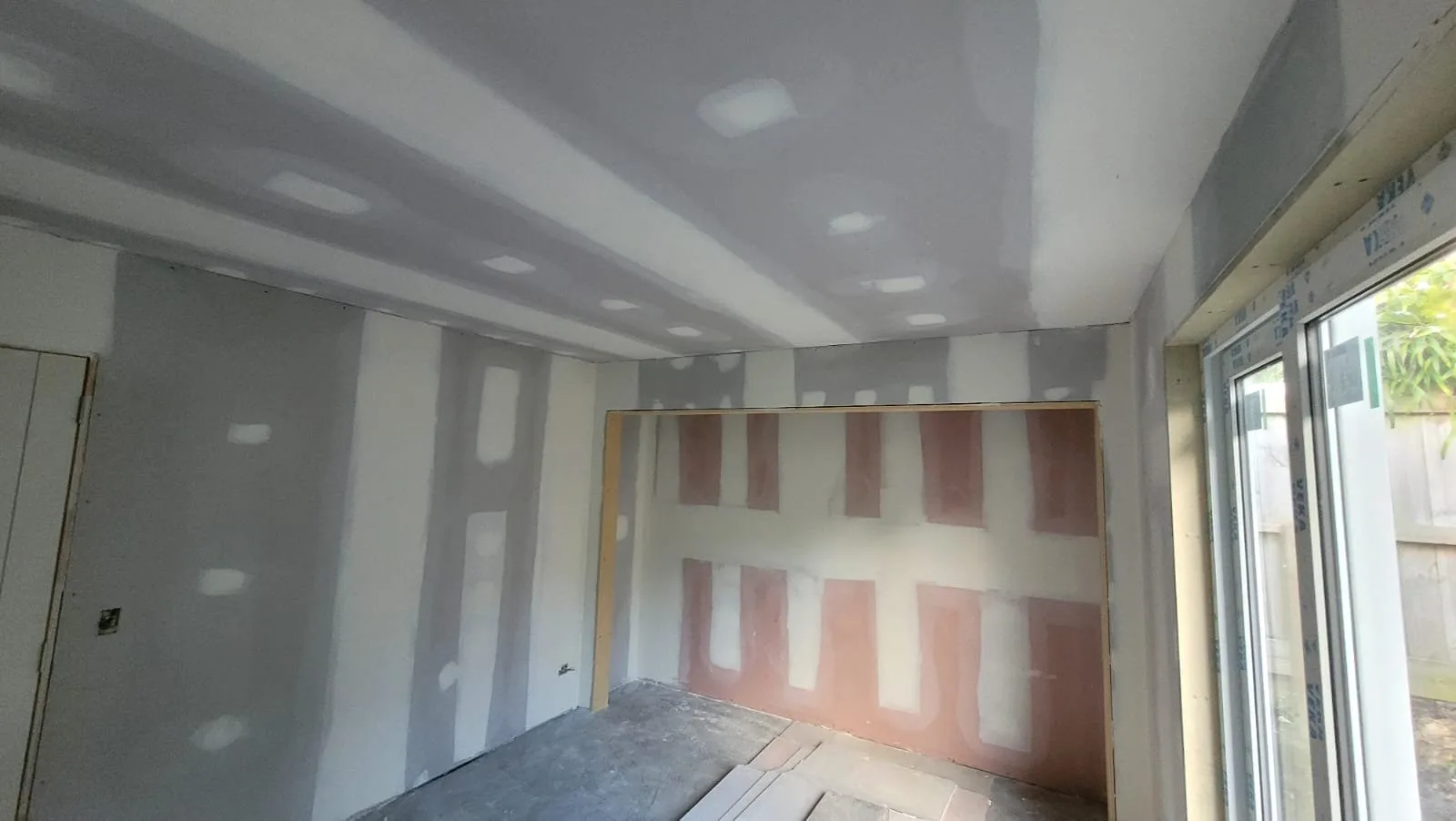
Most of the faults you see in a finished wall start at the lining stage. Boards hung out of line, joints in the wrong place or screws driven through the paper all show up later as cracks and ridges under the paint.
We line new builds, renovations and commercial fit-outs, and we work in with your builder so the job stays on programme. Because the same crew stops and paints the walls afterwards, there is no handover between trades and nothing to argue about later.
What we do
- Walls and ceilings in new builds and renovations
- Standard and wet-area board
- Replacing damaged or water-stained sheets
- Commercial fit-outs and tenancy work
GIB lining for new builds, renovations and fit-outs
GIB lining, also called GIB fixing or GIB installation, is hanging the plasterboard sheets on the framing of your walls and ceilings. It is the first of the five stages every wall goes through, and the one the other four depend on.
We line new homes, extensions and renovations, replace damaged or water-stained sheets, and line commercial fit-outs and tenancies across Auckland. On building sites we work to the builder's programme.
How we line a room
- Sheet layout planned so the joints fall where they can be stopped well
- Board fixed straight and true, with screws set just below the paper rather than through it
- Wet-area board in bathrooms and laundries, and fire-rated board where the building calls for it
- Walls and ceilings, standard stud height or higher
Lining, stopping and painting in one quote
Faults in a finished wall usually start at the lining stage: a sheet hung out of line or a screw through the paper shows up later as a ridge or a crack under the paint. When one company lines and another stops, that turns into an argument about whose fault it is.
IDW lines, stops, plasters and paints, so one crew takes the wall from bare framing to the final coat, and one guarantee covers all of it. If you only need the lining, we do that too.
Quotes and what to expect
Hadi Haidary, who owns IDW, quotes and oversees every job. The free quote includes a wall health check, valued at $397: we look over the job, tell you what actually needs doing, and put the price in writing. The price we quote is the price you pay, and every job is covered by one 5-year workmanship guarantee.
John Hill, Google review: “As a building company we have been using the services of Interior Dry Wall for four years, they are able to work to a schedule and always finish on time, their pricing is always sharp, and they never leave a mess. I can recommend Hadi and his team with confidence.”
The paint we finish with
When we paint the walls we have lined, stopped or plastered, it is with Resene, Dulux, Aalto, Paint+ or Wattyl, so the finish is as good as the surface under it.
We are Site Safe members, and IDW is 100% New Zealand owned and operated.






Resene, voted New Zealand's most trusted paint brand every year from 2012 to 2023


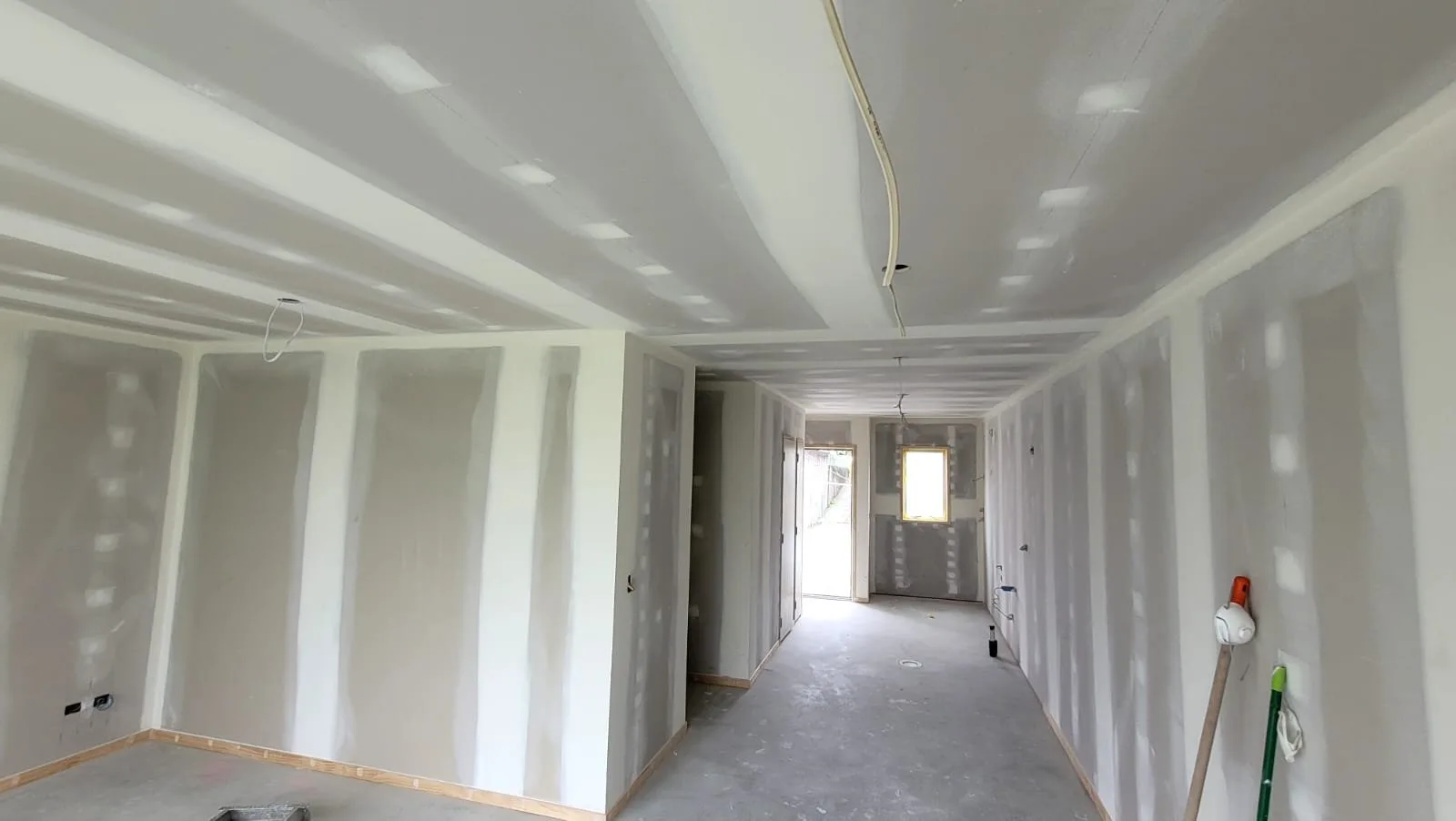
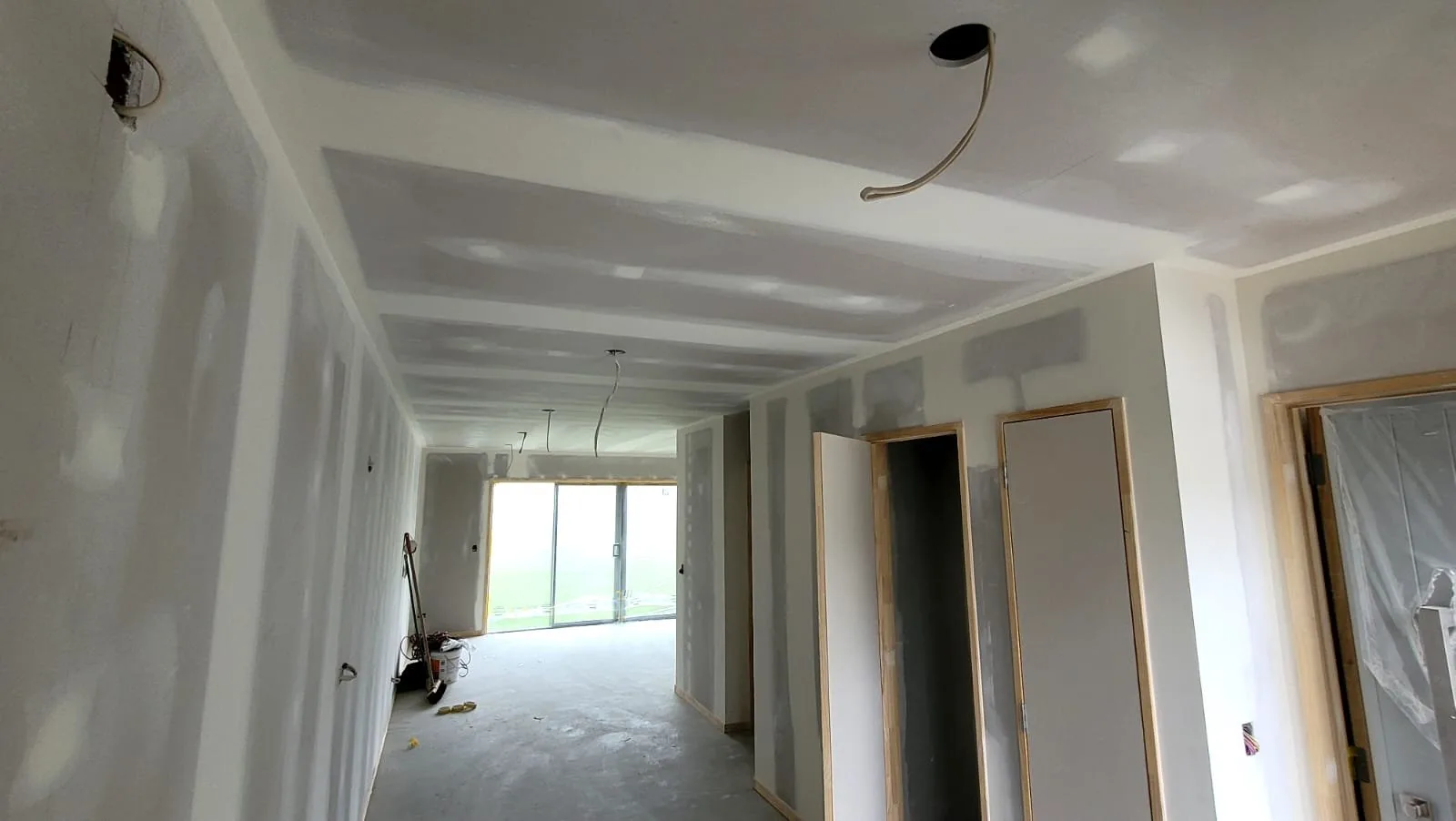
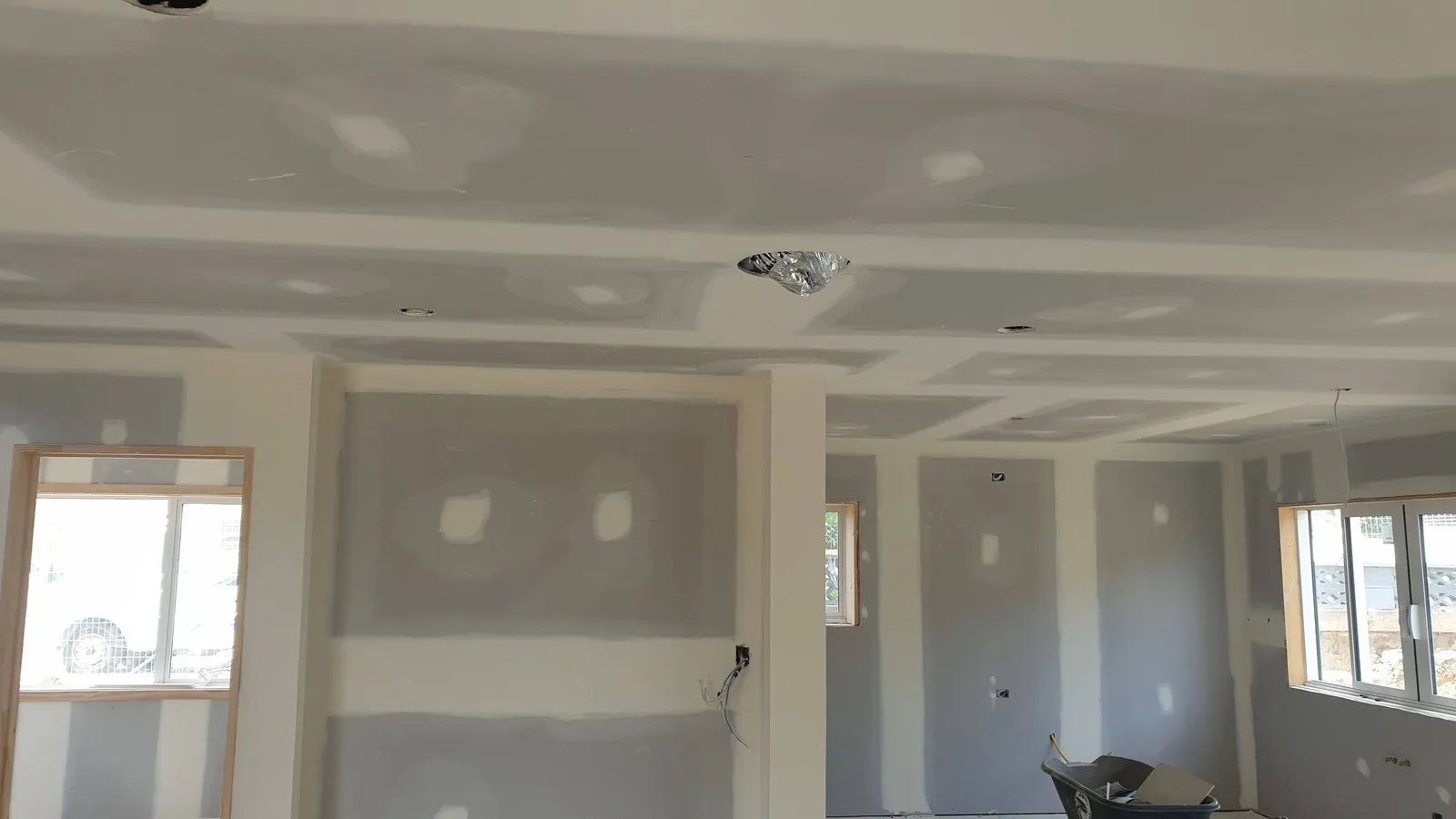
Recent work
Read more
Plastering and GIB stopping in Auckland
IDW's plasterers and GIB stoppers finish new plasterboard, repair damaged walls and ceilings, and skim tired ones, across Auckland. The same crew paints afterwards, so new and old surfaces end up reading as one wall.
GIB stopping cost in Auckland
The typical GIB stopping cost in Auckland is $25 to $70 per square metre for labour, depending on the level of finish. Here are typical ranges for a room and a whole house, what pushes a price up, and how to compare quotes.
What is GIB stopping?
What is GIB stopping? It is the finishing of plasterboard: joints taped, screws filled, coats built up and sanded until the board reads as one smooth surface, ready for paint. Here is how it is done, so you can judge a quote or a finished job.
GIB repairs in Auckland: holes, cracks and water damage
GIB repairs for Auckland homes, from a door handle through the wall to a ceiling stained by a leak. We look for the cause, repair the board, then stop and paint it so the repair disappears into the wall.
Ceiling GIB stopping, skimming and repairs in Auckland
Ceiling GIB stopping in Auckland homes, from new ceilings in a renovation to skimming an old popcorn ceiling flat and repairing cracks and leak stains. A ceiling shows faults a wall would hide, so it gets more care.
Questions people ask
What is the difference between GIB lining and GIB stopping?
Lining, also called fixing, is hanging the plasterboard sheets. Stopping is finishing the joints afterwards: taping, coating and sanding them so the wall is ready for paint. The two are usually priced separately. IDW does both, so one quote can cover the lining, the stopping and the paint.
Do you work with builders?
Yes. We line new builds, renovations and commercial fit-outs and work to the builder's programme. Building companies have used us for years.
Can you replace one damaged sheet?
Yes. Water-stained or damaged sheets are cut out and replaced once the leak is fixed, then stopped and painted to match the rest of the wall.
Do you give free quotes?
Yes. We come and see the job first, and the free quote includes a wall health check valued at $397. The price is in writing, and it is the price you pay.
GIB lining across Auckland
GIB stoppers and plasterers in Central Auckland, North Shore, East Auckland, South Auckland and West Auckland. All areas
Other services
GIB stopping
Joints taped, coated and sanded to the level of finish your paint and lighting need.
Plastering
Interior skim coats and plaster repairs that leave old and new surfaces reading as one wall.
Interior painting
Walls, ceilings, doors and trim, prepared properly and painted with a tidy site at the end of each day.
Exterior painting
Weatherboard, plaster and brick homes, roofs, fences and decks, prepared and painted to last.
Get a free quote
Tell us about the job and we will call you back to arrange a time to come and see it. Every quote starts with a free wall health check, valued at $397: we look over the job, tell you what actually needs doing, and put the price in writing. The price we quote is the price you pay.