
What is GIB stopping?
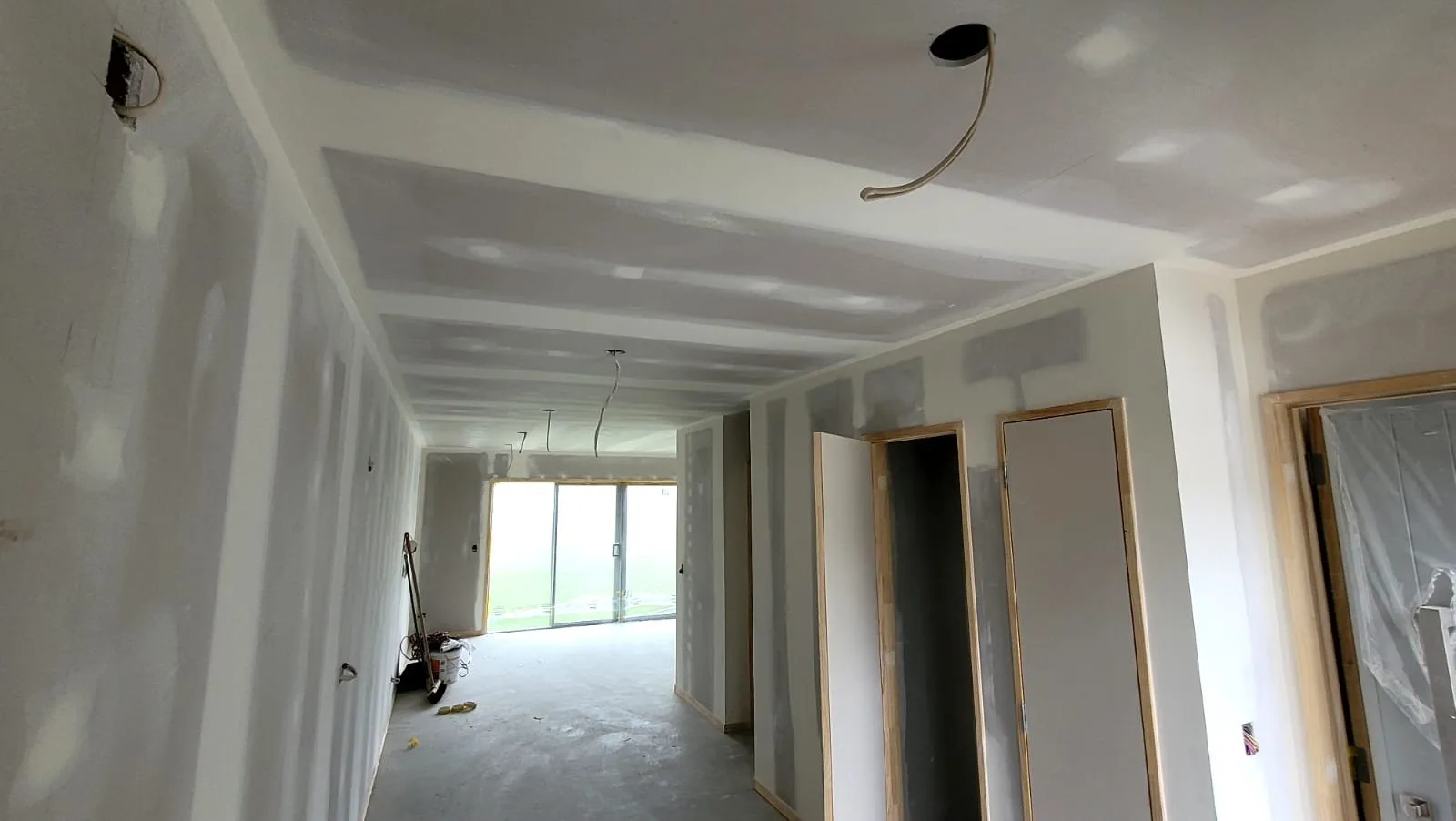
What is GIB stopping? It is the finishing of plasterboard: joints taped, screws filled, coats built up and sanded until the board reads as one smooth surface, ready for paint. Here is how it is done, so you can judge a quote or a finished job.
5.018 Google reviewsWhat GIB stopping is
GIB is a brand of plasterboard so common in New Zealand that the name is used for plasterboard in general. Once the sheets are fixed, every join, screw head and corner still shows. GIB stopping hides them.
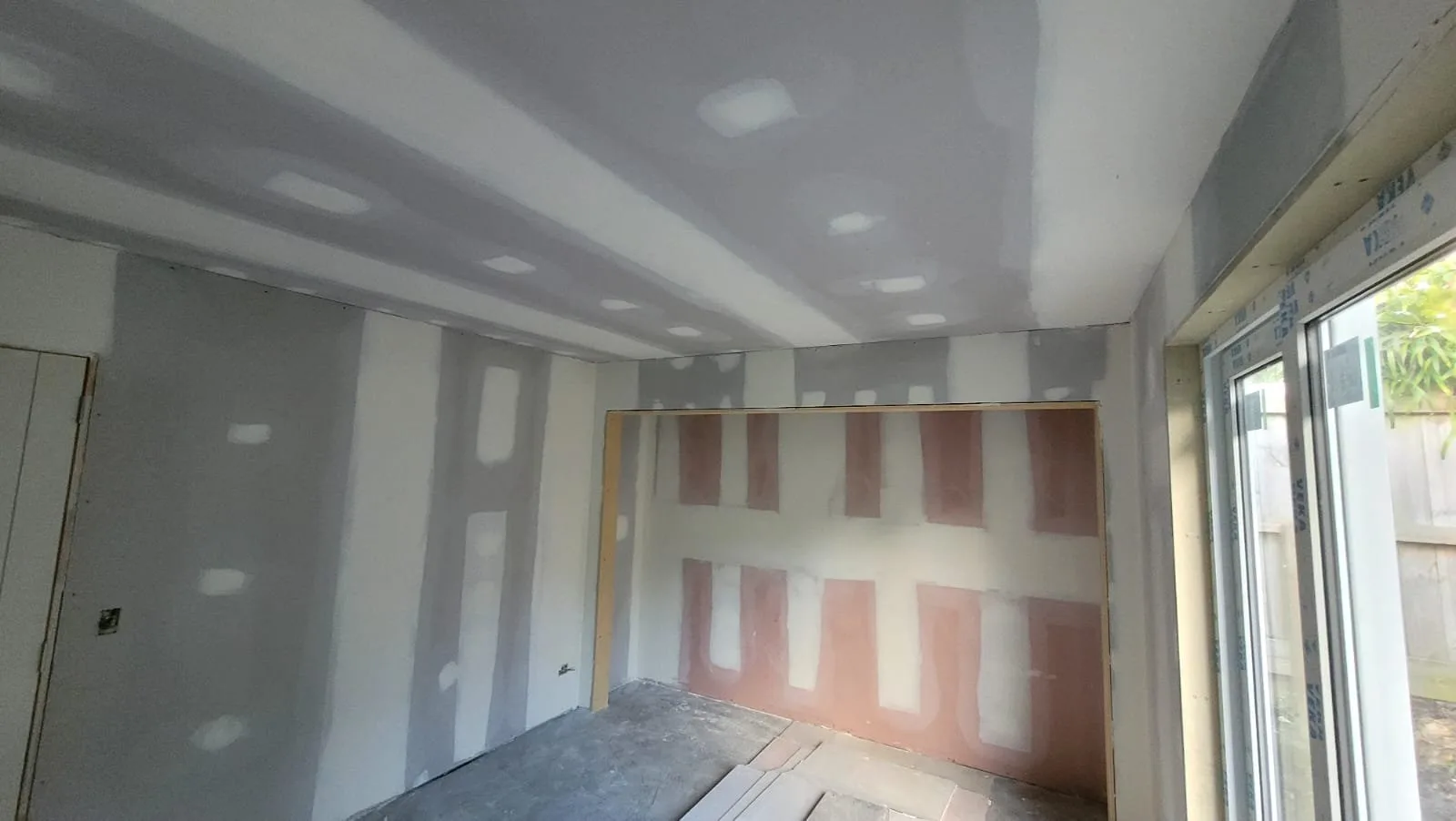
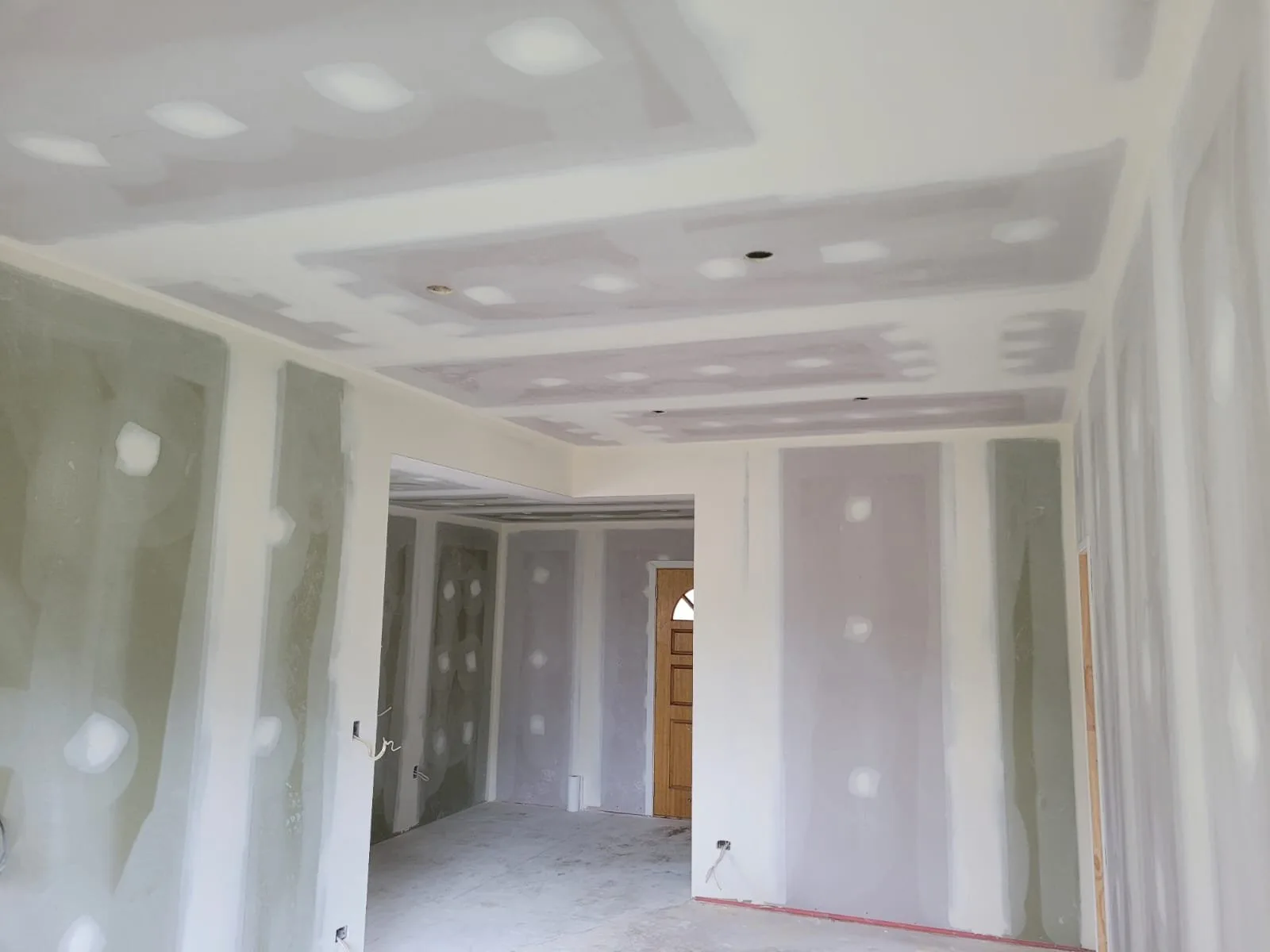
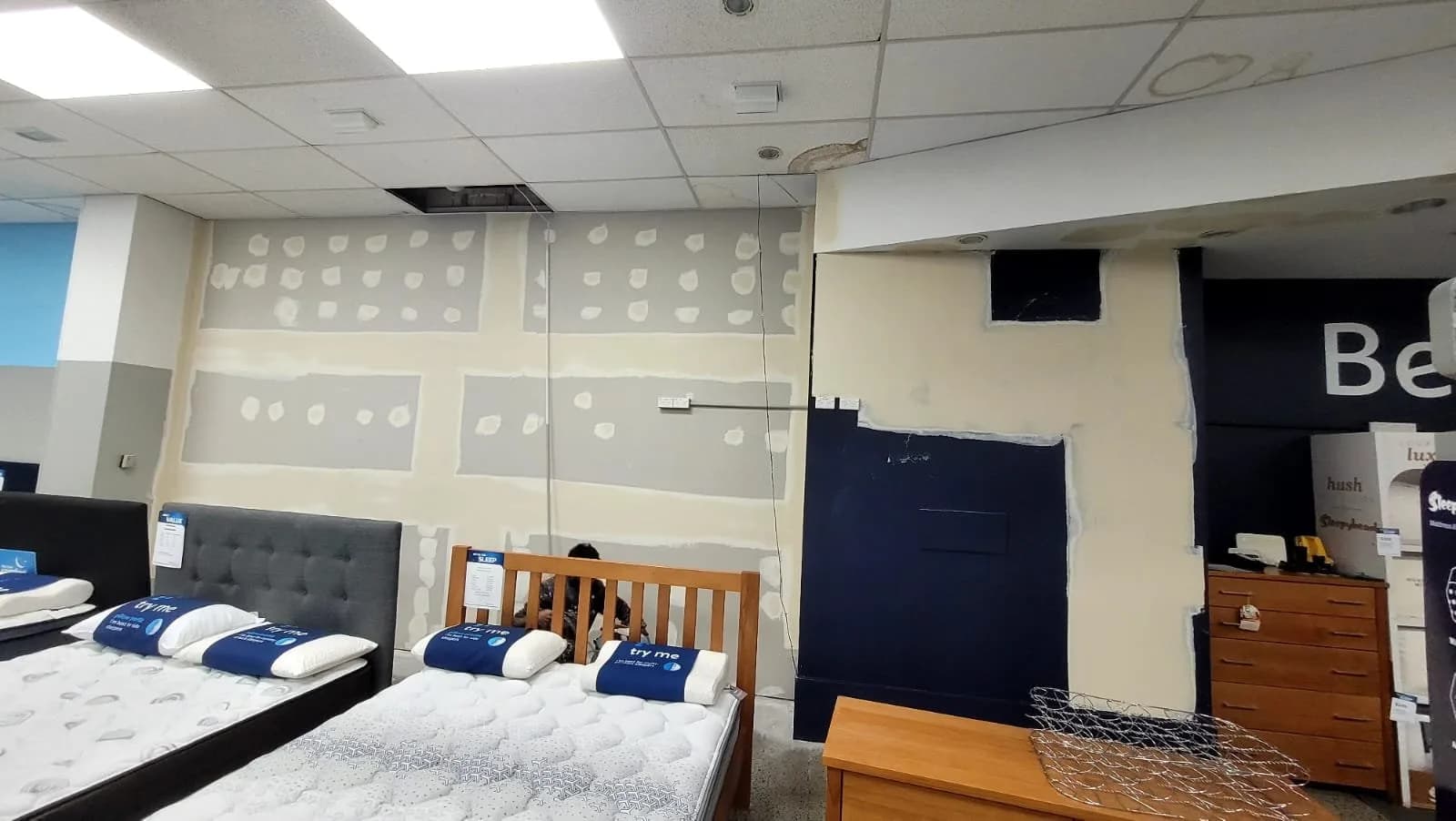
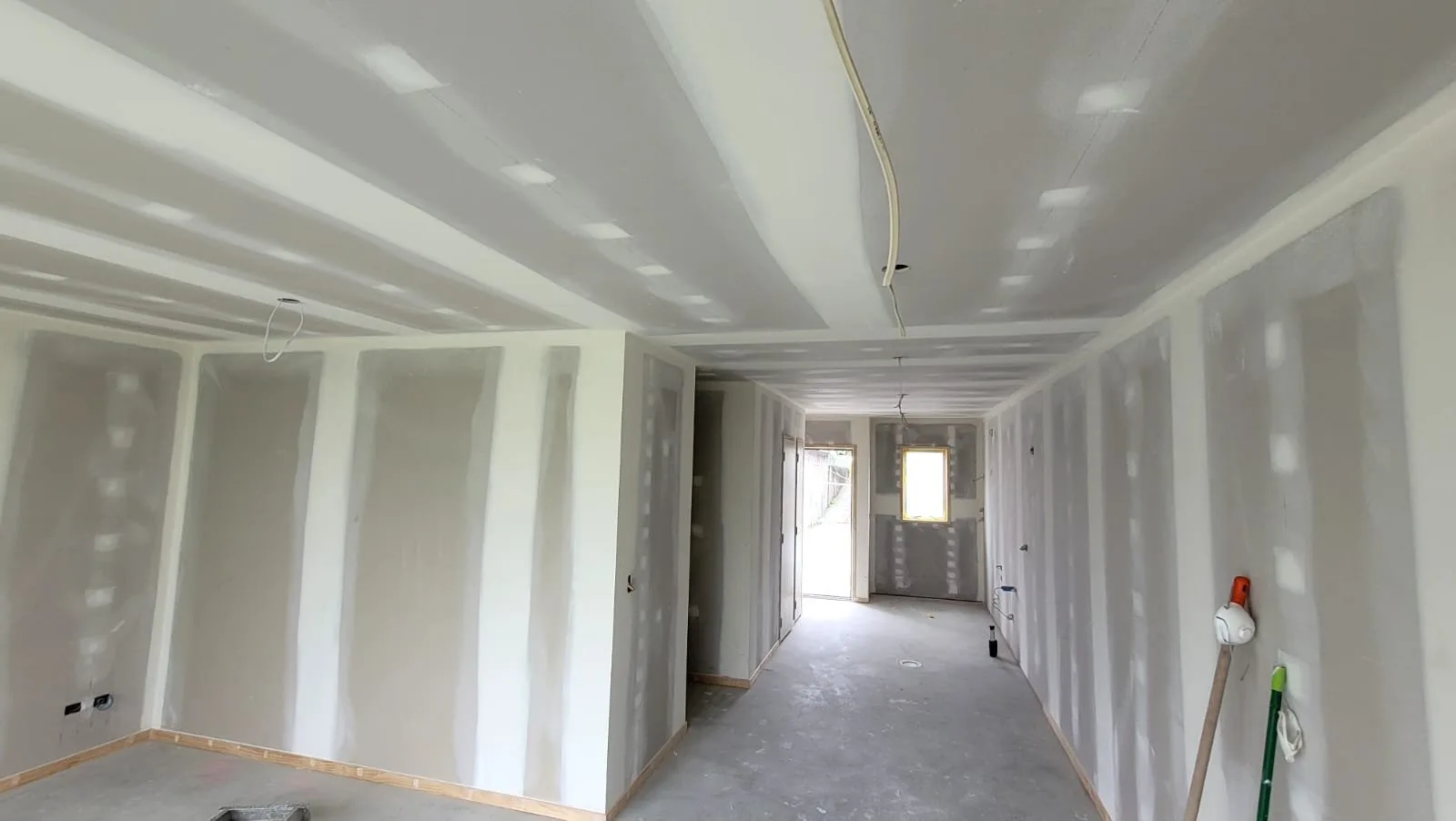
The stopper tapes each join, fills the screws and corners, then builds the joints up in thin, wider coats and sands them flat, so once the wall is painted you cannot tell where one sheet ends and the next begins. It is also called GIB plastering or jointing.
GIB fixing and GIB stopping are separate jobs
GIB fixing, also called lining or hanging, comes first: the sheets are cut, glued and screwed to the framing. Stopping finishes the surface afterwards.
Stopping hides small faults, but it cannot make a badly fixed wall flat. Sheets out of line, joints at the corners of doors and windows where the frame moves most, or screws driven through the paper all show up later as cracks and ridges. At IDW the same crew lines and stops, so the lining is done with the stopping in mind.
Why it matters in a timber-framed house
Most New Zealand houses are timber framed, and timber moves a little with the seasons. The joints take the strain. Tape bedded properly in compound ties the sheets together, and wide, feathered coats spread the stress, so cracks are less likely to open.
Light is the other test. Low sun or downlights across a wall pick out every ridge and sanding mark, and paint makes them more visible, not less.
Levels of finish, from 0 to 5
Stopping is specified by level, from 0 to 5. The level sets how many coats go on and how much sanding is done, so it is the first thing to check on a quote. We stop to Level 4 in most homes and recommend a Level 5 skim where the light, a dark colour or a gloss paint would show a Level 4 joint.
| Level | What is done | Where it suits |
|---|---|---|
| Level 0 | Board fixed. No tape or compound. | Temporary work, or where the finish is undecided |
| Level 1 | Joints taped, with the tape bedded in compound. | Out of sight, such as ceiling spaces and service areas |
| Level 2 | Tape and screw heads covered with one coat. | Garages, storage and spaces where looks matter little |
| Level 3 | A second coat over joints and screws. | Under a heavy texture or thick wallpaper |
| Level 4 | Joints built up to three coats, corners and screws filled, all feathered and sanded smooth. | Most rooms in most homes, with flat or low-sheen paint |
| Level 5 | Level 4, then a thin skim coat over the whole surface. | Strong side light, skylights, downlights, dark colours, gloss or semi-gloss paint |
The GIB stopping process, step by step
This is the order of work on a Level 4 job. Knowing it helps you spot a rushed job.
- Check the board. Sheets firm and in line, screws set just below the surface without breaking the paper, nothing damp, and the house closed in.
- Tape coat. Paper tape is bedded in compound along each joint with no air trapped behind it. Screws get a first fill, internal corners are taped and external corners get a metal or plastic bead.
- Second coat. A wider coat fills the shallow recess along the tapered edges of the sheets and flattens the joint.
- Finishing coat. A thinner coat, spread wider again and feathered so its edges fade into the board.
- Sanding. Joints are sanded flat once dry, without scuffing the paper face of the board or cutting into the tape.
- Skim coat, for Level 5 only. A thin coat over the whole surface, then sanded again.
- Raking light check. A light held low along the wall or ceiling makes any ridge or hollow throw a shadow. Faults are filled and sanded before paint.
- Seal. Compound and board paper soak up paint differently, so a sealer or undercoat goes on first. Without it the joints can show through as patches of different sheen, known as flashing.
Sanding: where good stopping is won or lost
Sanding has to wait until the compound is dry right through, or the abrasive clogs and drags instead of cutting clean. Too little leaves edges that show as lines under paint. Too much scuffs the board's paper face or cuts into the tape, and both show through.
Sanding makes fine dust, so a careful crew contains it, protects floors and furniture, and cleans down before the sealer goes on.
Stopping compounds
Stopping compound, often called mud, comes in two broad types, and many jobs use both.
- Setting compound is mixed from powder and hardens by a chemical reaction, so humidity slows it far less. It is strong and suits the tape coat and deep fills, but it is harder to sand.
- Air-drying compound is usually ready-mixed and hardens as its water evaporates. It spreads and sands more easily, so it suits the later coats, but it dries slowly in cold, damp weather.
Drying times in Auckland
Each coat has to dry right through before the next. Compound coated over while damp keeps shrinking underneath, and that shows later as sunken joints and cracks. Auckland's humidity slows drying, and in winter it is worth allowing 24 to 36 hours between coats, which puts a three-coat Level 4 finish at about four to seven days including sanding.
Susan W, Google review: “2nd time using Hadi and his team at Interior Drywall Worx. Exemplary work between a team arriving as agreed, and courteously tidying up and returning on time once dry after the weekend to sand finish. A perfect job and price. Thanks again, would highly recommend IDW Ltd.”
What good GIB stopping looks like
Before the paint goes on, shine a torch flat along the wall. Good work has:
- Joints that throw no shadow, with no ridges, hollows or tape edges
- Tape lying flat, with no bubbles or blisters
- Screw heads you cannot see
- Straight, crisp corners with no cracks
- No sanding scratches or fuzzy, scuffed paper
How IDW stops a wall
IDW is one crew that lines, stops, plasters and paints, so if a joint shows there is no other trade to blame. Every wall and ceiling is checked under a raking light before it is painted, and one 5-year workmanship guarantee covers the work.
Hadi Haidary, who owns IDW, quotes and oversees every job himself. The free quote includes a wall health check, valued at $397, and the price goes in writing after we have seen the job. The price we quote is the price you pay. We plaster interiors only, across Auckland City, East Auckland, South Auckland, West Auckland and the North Shore. Call 027 521 7411 or 0800 33 1371.
Updated October 2026
Our work
Questions people ask
Is GIB stopping the same as plastering?
Usually, yes. In New Zealand, GIB stopping and GIB plastering both mean finishing plasterboard joints with tape and compound. Plastering can also mean skim coating a whole surface or repairing old plaster. IDW does both, inside the house only.
How many coats does GIB stopping need?
Three on the joints for a Level 4 finish: a tape coat, a wider second coat and a finishing coat, then a sand. Level 5 adds a skim coat over the whole surface.
How long does GIB stopping take to dry?
In humid Auckland winter conditions, allow 24 to 36 hours between coats. A three-coat Level 4 finish takes about four to seven days including sanding.
Does GIB stopping need sealing before painting?
Yes. Compound and board paper absorb paint differently, so a sealer or undercoat goes on first, or the joints can show through the top coats.
What level of GIB stopping do I need?
Level 4 suits most rooms with flat or low-sheen paint. Level 5 suits rooms where light rakes across the surface, or where the paint is dark or glossy.
Can good stopping fix badly hung GIB?
Only partly. Sheets out of line, badly placed joints or screws through the paper show later as cracks or ridges, so they are fixed before stopping starts.
Related services
GIB lining
Plasterboard fixed straight and screwed to depth, so the stopping and paint that follow have a flat surface to sit on.
GIB stopping
Joints taped, coated and sanded to the level of finish your paint and lighting need.
Plastering
Interior skim coats and plaster repairs that leave old and new surfaces reading as one wall.
Interior painting
Walls, ceilings, doors and trim, prepared properly and painted with a tidy site at the end of each day.
Get a free quote
Tell us about the job and we will call you back to arrange a time to come and see it. Every quote starts with a free wall health check, valued at $397: we look over the job, tell you what actually needs doing, and put the price in writing. The price we quote is the price you pay.